

media is not just something teenagers watch or scroll through. it is a silent teacher, a powerful storyteller, and an emotional guide that shapes how young people think, feel, and act every single day. for many teenagers, media has become more influential than parents, teachers, or even close friends. this influence can inspire greatness, but it can also create confusion, pressure, and emotional struggle. that is why understanding media’s impact is not optional, it is urgent.
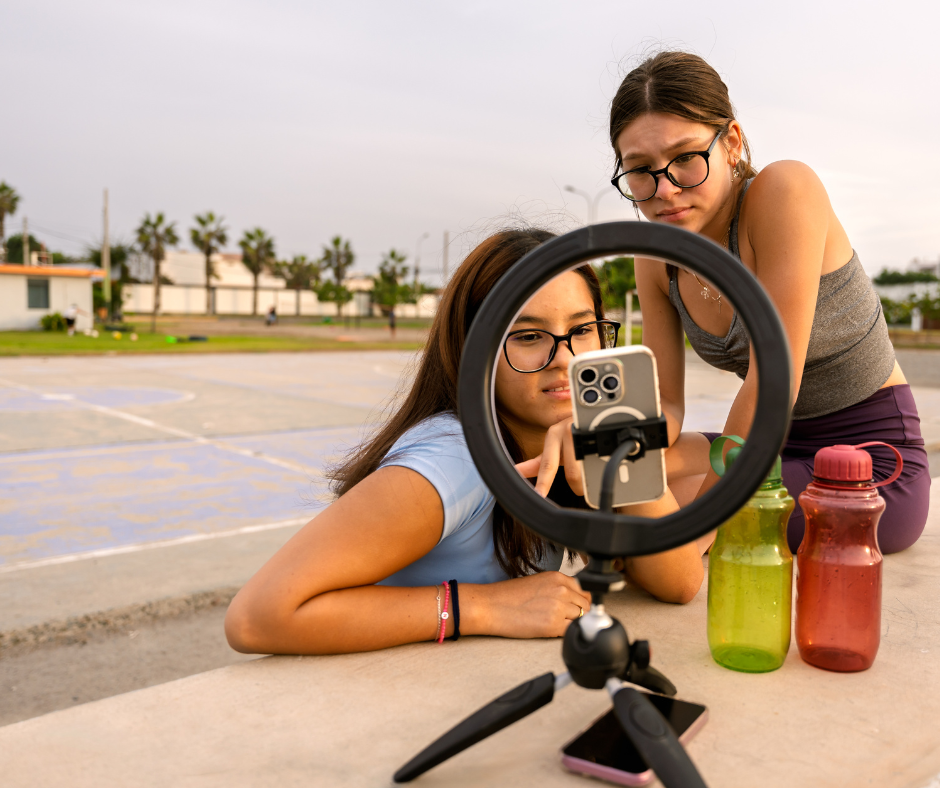
today’s teenagers are growing up in a world dominated by social media, television, movies, online videos, gaming platforms, and digital news. every image, caption, trend, and viral moment sends a message about beauty, success, relationships, wealth, and self-worth. even when teens think they are just “having fun online,” their brains are quietly absorbing values that can shape their identity for life.
one of the strongest influences of media is on self-image. platforms like instagram, tiktok, and youtube are filled with edited pictures, perfect lifestyles, and unrealistic body standards. many teenagers begin comparing themselves to influencers and celebrities who look flawless on screen. over time, this comparison can create insecurity, anxiety, and the feeling that they are not good enough. what teens see online starts to feel like a standard they must reach in real life.
media also deeply affects emotions and mental health. constant exposure to dramatic content, cyberbullying, negativity, and viral conflicts can make teenagers feel stressed, lonely, or overwhelmed. at the same time, endless scrolling can reduce real-life interaction, making teens feel disconnected from the people right in front of them. media promises connection, yet often replaces genuine human relationships with digital ones.
another powerful effect is on behavior and decision-making. teenagers are highly impressionable, and media often glorifies risky behavior, luxury lifestyles, and instant fame. when harmful trends go viral, many teens feel pressure to imitate them just to feel accepted. this is why media literacy is no longer just a school subject, it is a life skill that every young person desperately needs.
however, media is not only dangerous, it can also be empowering when used wisely. educational videos, motivational creators, mental health awareness pages, and creative platforms can inspire teenagers to learn, build confidence, and discover their talents. media can spark dreams, amplify voices, and connect young people with global communities that support their growth.
the real issue is not media itself, but how teenagers consume it. passive consumption can harm, while mindful consumption can transform. parents, schools, and communities must work together to teach teens how to question what they see, think critically, and balance screen time with real-life experiences. this responsibility cannot be delayed. the future of an entire generation depends on it.
teenagers must also take ownership of their digital habits. putting the phone down, choosing meaningful content, setting boundaries, and prioritizing mental health are not small choices, they are powerful acts of self-respect. every scroll, like, and share is shaping their mindset, whether they realize it or not.
the question is no longer “does media influence teenagers,” but “how deeply will we let it shape them.” awareness today can protect tomorrow. action today can save countless young minds from silent harm. media is powerful, but with guidance, it does not have to control teenage lives, it can help build them.