

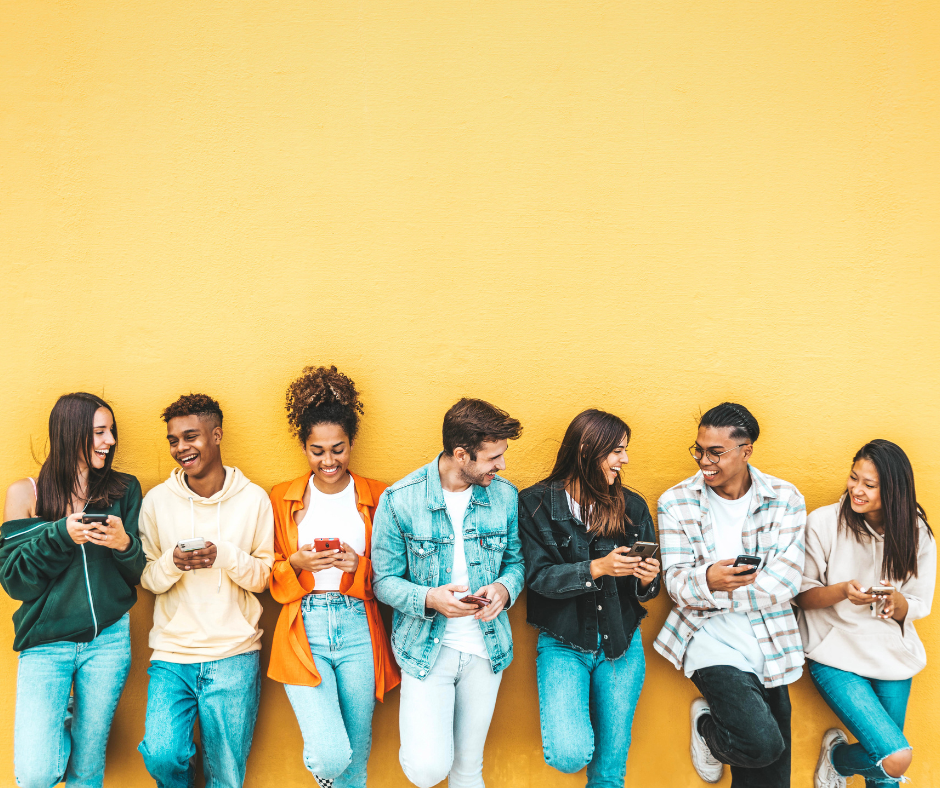
In a world where every swipe brings a new face, a new trend, a new standard, and a new illusion, today’s teenagers are living inside a digital maze built on likes, follows, and curated perfection. What was once entertainment has become a silent force shaping identity, confidence, aspirations, and even mental health.
This is not just a trend. This is a cultural shift. And it is happening faster than any generation can fully understand.
Teenagers no longer grow up comparing themselves only to classmates or neighbors. They compare themselves to millions. Millions of filtered bodies, choreographed lifestyles, edited realities. And behind every post is an algorithm ready to push even deeper into their vulnerabilities.
This is why the conversation can no longer wait.
The Digital Mirage: How Teens Lose Themselves in Manufactured Realities
Influencer culture promises visibility, admiration, and instant identity. But behind the aesthetic posts is a powerful psychological effect:
the more teens follow, the more they feel they fall short.
The obsession to be relevant
The pressure to look perfect
The fear of missing out
The constant validation seeking
These are not minor issues. These are becoming new-age emotional challenges.
Teens are shaped by the faces they follow. The values they absorb. The trends they imitate. And many of these influences are built on illusions carefully crafted for virality, not authenticity.
When perfection becomes normal, reality becomes disappointing.
The Hidden Cost of Validation: Why Teens Feel More Alone Than Ever
Influencers thrive on attention. Teens now chase the same attention, believing it defines their worth.
But attention is an addiction.
And comparison is the poison that feeds it.
A teenager scrolling at midnight is not just passing time. They are silently measuring themselves against digital ghosts.
Each like becomes a signal of approval.
Each lack of engagement becomes a sign of failure.
This cycle creates anxiety, depression, and a sense of inadequacy that many teens cannot describe, but feel deeply every day. The world is connected, yet teenagers feel more disconnected from themselves.
The Influence You Don’t See: Algorithms Are the New Authority
Influencers may be the face, but algorithms are the power behind the curtain.
What your teen sees
What they learn
What they mimic
What they aspire to become
is often determined not by their values, but by data-driven systems designed to maximize screen time, not well-being.
This raises a critical question:
Are teens choosing their influences, or are their influences being chosen for them?
When Influence Becomes Identity
Teenagers imitate what they admire.
They repeat what they hear.
They chase what they see rewarded.
Influencers set the tone for beauty standards, ambition, attitudes, and even humor. A single viral narrative can reshape thousands of young minds overnight.
Some influencers inspire.
Some mislead.
Some manipulate for profit.
But all hold power.
And teens are absorbing this power at an age when their identity is still fragile, still forming, still searching.
This makes influencer culture not just a social phenomenon, but a psychological one.
The Urgency: Why We Must Act Now
We cannot wait for influencers to become more responsible.
We cannot wait for algorithms to become more ethical.
We cannot wait for teens to figure it out alone.
Parents must understand it.
Educators must address it.
Teens must be guided through it.
Society must wake up to it.
The longer we stay silent, the deeper the impact becomes.
Influencers have the power to shape dreams, distort reality, and rewrite values.
But we have the power to reshape awareness.
It starts with conversations.
It starts with awareness.
It starts with reclaiming the narrative before the narrative controls the next generation.
A Call to Action: Rebuild Real Influence
Talk to teens about authenticity.
Teach them to question what they see.
Encourage content creators who promote truth, skill, creativity, and genuine value.
Challenge the algorithm by choosing consciously.
Influence is not going away.
But influence can be redefined.
The future of this generation depends on it.